

Mental health has become one of the most pressing global concerns, according to a report by the World Health Organization, with over 1 billion people suffering from various mental disorders, particularly anxiety and depression. The rising awareness of these issues has highlighted the urgent need for accessible, affordable, and effective solutions. In this context, mental health apps have emerged as valuable tools, enabling individuals to monitor emotions, track symptoms, connect with professionals, and build healthier habits, all through their smartphones.
The global mental health app market is steadily growing and is expected to expand further in the coming years. According to a Grand View Research report, the mental health apps market size was estimated at USD 7.48 billion in 2024 and is projected to reach USD 17.52 billion by 2030, growing at a CAGR of 14.6% from 2025 to 2030.
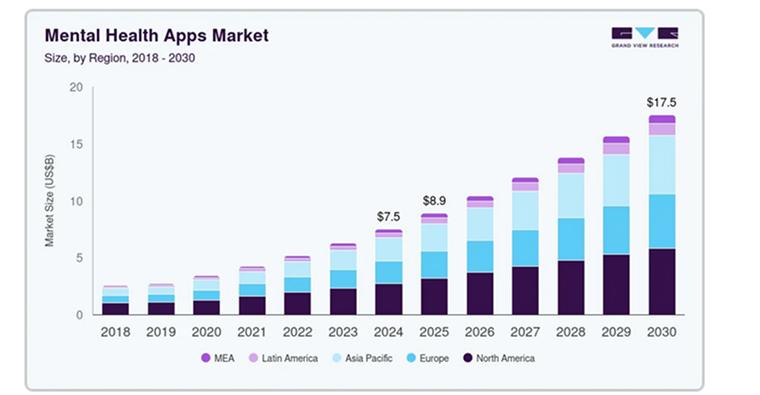
This demand has been fueled by increasing mental health challenges, particularly during and after the COVID-19 pandemic, when self-isolation and stress increased the need for remote support. For any healthcare software development company, creating a functional and evidence-based mental health app is both a challenge and an opportunity.
In this blog, we’ll take a deep dive into the topic of mental health app development, exploring its necessity, essential features, types of mental health applications, the development process, and cost estimating factors.
What Are Mental Health Apps?
Mental health apps are mobile or digital tools designed to help individuals improve and maintain their emotional and psychological well-being. They provide a wide range of features, including mood tracking, self-assessments, guided meditation, stress relief exercises, and even virtual therapy sessions. General mental health apps serve a broad audience by offering comprehensive features that address various aspects of mental well-being.
Some apps focus on self-care, while others are created to assist professionals with diagnosis and treatment planning. Many use proven techniques like Cognitive Behavioral Therapy (CBT) or mindfulness to offer structured help. These apps make mental health care more accessible, affordable, and convenient, especially for those who face challenges in accessing traditional healthcare services.
Why Is There a Need for Mental Health Apps?
Mental health apps are increasingly valued for offering quick and accessible support, helping patients connect with professionals. Some of the key necessities include:
Fast Treatment Even in Remote Areas
Mental health apps make treatment faster and more accessible, even for people in remote areas. Through video chat, patients can connect with therapists without visiting a clinic. These apps also send timely push notifications, offering safety tips and useful guidance. This helps users care for their mental health and support their loved ones more effectively.
Access to Mental Healthcare 24/7
Mental health apps provide 24/7 access to professional care through smartphones, making support available anytime and anywhere. Many apps also connect users directly with mental health professionals and mental health specialists, ensuring expert support is always within reach. This convenience ensures timely advice and treatment, as long as an internet connection is available, making mental healthcare more flexible and accessible for people with busy schedules or remote living conditions.
Affordable
Mental health apps are affordable, with many offering free or low-cost options. They support people and provide cost-effective subscription plans, making long-term mental healthcare more affordable than regular therapy sessions.
Enhanced Coordination Among Care Teams
Mental health apps enhance coordination among care teams by enabling smooth communication and task sharing. This collaboration ensures timely and comprehensive support, leading to better treatment outcomes and higher satisfaction for both patients and healthcare professionals.
Personalisation
Mental health apps offer personalised support by adapting to each user’s needs and preferences. They allow goal setting, track progress, and provide customised recommendations based on user data. Supporting mental wellness is a key goal of these apps. This tailored approach makes the experience more effective, helping individuals monitor improvements and adjust their strategies for better mental health management.
Key Features of Mental Health Apps
Features play a key role in making a mental health app effective, user-friendly, and trustworthy.
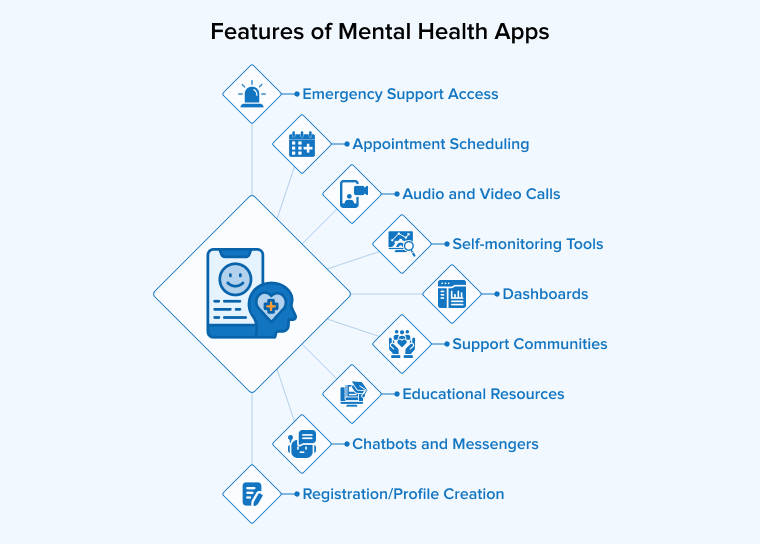
Registration / Profile Creation
A user profile is one of the most essential features of a mental health app, as it allows for a personalized experience tailored to individual needs. The registration process should be simple yet secure, starting with only the most basic information, such as name, email, and phone number. Additional details, including age, gender, or pronouns, can be collected later to enhance personalization while ensuring comfort and inclusivity. App users can securely store and manage data in their profiles, making it easier to track progress and share relevant information with healthcare providers when needed. Over time, users should be able to update their profiles with mental health conditions, medications, or allergies. Offering options to upload test results or therapy notes further strengthens the profile’s usefulness and reliability.
Self-Monitoring Tools
Self-monitoring is a vital feature of mental health apps, helping users stay aware of their emotional and physical well-being. With tools like mood logs, calendars, and visual summaries, users can track mood changes, sleep, exercise, triggers, emotional health, stress management, and sleep patterns. They can record emotions, stress levels, and lifestyle factors like hydration or energy. AI can analyze this health data to provide insights, detect warning signs, and suggest personalized coping strategies. Daily reminders and prompts encourage regular use without overwhelming users. These features not only support self-care but also assist therapists in identifying patterns, making self-monitoring essential for effective mental health management.
Appointment Scheduling
A well-designed scheduling system should integrate with native calendars on iOS and Android, making it easier for users to book and remember appointments. It allows patients to view availability, schedule sessions, and receive reminders, thereby reducing the chances of missed appointments.
For professionals, features like session length tracking, automated confirmations, and rescheduling options help manage time efficiently. By combining self-help tools with professional support, in-app scheduling creates a seamless experience while simplifying administrative tasks for both users and providers.
Audio and Video Calls
Secure audio, video, and chat features are essential for mental health apps, allowing users to connect with professionals in real time. Whether through private therapy sessions or group support, these tools provide a personal and accessible experience. Clear audio, high-quality video, and encrypted communication ensure reliability and privacy. Offering multiple modes, text, voice, or video, lets users choose what feels most comfortable, creating a flexible and supportive digital experience.
Emergency Support Access
Emergency support offers users immediate access to crisis lines, emergency contacts, or local services with a single tap. An emergency button, quick messages, or calls can be life-saving during panic or anxiety attacks. Alongside this, grounding exercises and calming techniques provide instant relief. These tools also play a crucial role in stress management and help maintain emotional health during crises. Adding extra tools like calendars, mood journals, or meditation further enhances self-awareness and supports users in managing emotional challenges effectively.
Dashboards
Dashboards in mental health apps help users track their progress and visualize data in one place. With clear logic, updated information, and customizable options, they display metrics through simple charts and graphs. A well-designed dashboard should be visually appealing, easy to navigate, and not overly complex. When combined with features like mood tracking or sleep analysis, dashboards provide valuable insights that encourage users to stay engaged and consistent with their mental health goals.
Educational Resources
Educational content can empower users with the knowledge to manage their well-being. From guided meditations, mindfulness exercises, and sleep stories to expert-led articles and videos, these resources provide valuable support. Many of these educational resources are created by mental health experts, ensuring high-quality, evidence-based information and guidance. Covering topics like anxiety, depression, or lifestyle tips, such content helps users understand their conditions and take proactive steps. By blending recovery support with education, apps make mental health care more accessible, engaging, and effective for long-term wellness.
Chatbots and Messengers
Chatbots and messaging systems offer valuable 24/7 support and guidance. These virtual assistants can engage in conversations, provide emotional comfort, and share useful information on mental health topics. For many users, the anonymity of a chatbot makes it easier to express emotions and seek help without fear of stigma. Beyond automated support, apps can also integrate direct chats with therapists or psychologists, either through premium services or add-ons. This allows users to ask questions, share therapy progress, or seek lifestyle advice, effectively bridging the gap between professional help and everyday self-care.
Support Communities
Community features in mental health apps create safe spaces where users can connect, share experiences, and support one another. These groups help individuals facing similar struggles feel less isolated while encouraging open conversations about mental health. Unlike traditional social media, these communities focus on empathy, understanding, and recovery, making them valuable for engagement and healing.
Features like live feeds, discussion threads, or voting on mental health topics can foster interaction and normalize difficult conversations. With proper moderation and clear disclaimers, community forums not only reduce stigma but also provide valuable feedback and ideas to improve the app’s effectiveness. User feedback collected through these support communities helps developers identify areas for improvement and ensures the app continues to meet user needs.
Types of Mental Health Applications
There are different types of mental health applications catering to various kinds of requirements:
Therapy App
Teletherapy apps make mental health support more accessible by enabling users to connect with licensed therapists through audio or video sessions directly within the app. The process usually involves signing up, completing a short questionnaire, and then being matched with suitable therapists based on preferences like therapeutic approach, experience, or gender.
Users can browse therapist profiles to find qualified mental health professionals, schedule sessions, and communicate via secure messaging for quick support. With features like appointment scheduling, secure payment gateways, and flexible communication, teletherapy apps offer convenient treatment for stress, anxiety, and other conditions, helping reduce stigma and encouraging more people to seek professional mental health care.
Mental Disorder Apps
Mental disorder control apps help people manage chronic mental health conditions like OCD, bipolar disorder, PTSD, depression, and schizophrenia. They use proven therapies such as CBT, ACT, or mindfulness, combined with tools such as mood tracking, breathing exercises, digital journals, and coping strategies. These apps provide instant access to support and assist users in monitoring symptoms, setting goals, and maintaining daily routines.
Popular examples include MoodTools, Happify, PTSD Coach, nOCD, and eMoods, which offer personalized guidance, in-the-moment support, progress tracking, and obsessive-compulsive disorder and post-traumatic stress disorder. By combining clinical techniques with digital convenience, these apps improve self-management and strengthen patient-therapist communication.
Meditation and Relaxation
Mindfulness and meditation apps have become highly popular, especially after the pandemic, as people sought ways to manage stress and anxiety from home. These apps provide guided meditations, breathing exercises, and calming soundscapes that help users relax, improve emotional resilience, and build healthier daily habits. By encouraging mindfulness practices, they support long-term mental well-being and effectively reduce negative emotions.
Anxiety, Depression & Mood Control Apps
Anxiety, depression, and mood control apps support individuals in managing emotional challenges through guided cognitive-behavioral techniques, relaxation methods, and tracking features. These tools help users regulate emotions, monitor progress, and develop healthier coping strategies, making mental health care more accessible and effective in daily life.
These apps include mental health assessments, self-reflection journals, and progress tracking tools to monitor well-being. They also offer video consultations with professionals, suicide prevention features, and emergency support for urgent situations.
Self-Improvement Apps
Self-development apps help users improve personal growth, mental resilience, and productivity. They provide tools like habit trackers, journaling prompts, guided exercises, and motivational content to build skills and confidence. Many apps offer virtual coaching or access to professionals for guidance on stress management, work-life balance, or self-worth. Users can engage in daily activities, mindfulness practices, and evidence-based exercises to boost focus, reduce stress, and develop healthy habits for long-term personal improvement.
Addiction Recovery Apps
Addiction recovery apps support individuals working to overcome substance or behavioral addictions. They provide tools and guidance to help users maintain sobriety, avoid harmful habits like drinking or smoking, and stay motivated throughout their recovery journey.
These apps help users set recovery goals, track sobriety progress, and stay accountable over time. They also send motivational reminders and offer peer support, continuous assistance, and practical tools to reduce relapse risks.
Steps of Mental Health App Development
Creating a mental health app requires careful planning beyond coding. Following a clear, step-by-step development process ensures the app is user-friendly, effective, and provides valuable support to its users.
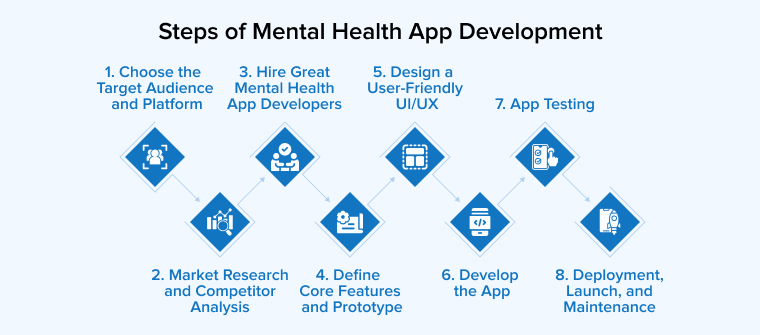
Step 1: Choose the Target Audience and Platform
The first step in developing a mental health app is identifying the target audience and selecting the right platform. Developers must decide whether the app is intended for teenagers, adults, seniors, or a general audience, as age, lifestyle, and mental health concerns affect user needs. Understanding users’ challenges, how they seek support, and their preferences allows developers to create relevant features and experiences. The choice of platform, iOS, Android, or cross-platform, also depends on the audience. Engaging some target users early in the process can refine the app’s design and ensure it effectively meets their needs.
Step 2: Market Research and Competitor Analysis
It’s important to research existing mental health apps on the market. Examine their features, design, and user reviews on platforms like the App Store, Google Play, and social media to understand what attracts users and the challenges they face. Identify your main competitors, note which apps you like or dislike, and observe useful features or design elements to incorporate. Also, pay attention to complaints and missing features to find opportunities for improvement. Sharing these insights with your team will help create a more competitive and valuable app.
Step 3: Hire Great Mental Health App Developers
Developing a mental health app requires a skilled team, including developers, project managers, UI/UX designers, and quality assurance specialists. If your team lacks expertise, consider outsourcing to a company experienced in mental health or wellness apps. Look for firms with a strong portfolio, technical proficiency, user-focused design skills, and knowledge of privacy regulations like HIPAA or GDPR.
Reputable companies provide access to the latest technologies and industry insights while advising on strategies like launching a minimum viable product to reduce costs and test the market. Working with experts ensures high-quality development, regulatory compliance, and a user-friendly, effective mental health application.
Step 4: Define Core Features and Prototype
Before coding, it’s important to define the app’s key features based on user research, focusing on essentials like self-assessment tools, teletherapy, or guided meditation. Avoid overloading the app with too many functions at once. Create wireframes and clickable prototypes to test layout, usability, and design with target users and healthcare professionals. Prototypes allow early validation of ideas without coding, saving time and costs. This stage also sets the app’s branding, color scheme, and style. A mental health app should be simple, clean, and intuitive, with easy navigation. Features like voice assistants, animated guides, and motivational push notifications enhance onboarding and engagement.
Step 5: Design a User-Friendly UI/UX
The design of a mental health app should be clean, soothing, and user-friendly, with intuitive layouts that make navigation simple. Minimalist visuals help users feel relaxed and encouraged to engage without frustration. Features like voice guidance, animated assistants, or push notifications can improve onboarding and provide gentle reminders. Avoid excessive colors or animations, as they may overwhelm users. A simple, soothing design ensures a comfortable experience, promotes regular use, and supports overall mental well-being.
Step 6: Develop the App
Once the app’s features are defined, the development team begins building it using the right framework. Native development ensures optimal performance on iOS and Android, while cross-platform tools like Flutter or React Native speed up MVP creation. Following Agile methodology allows iterative development, frequent testing, and timely feedback.
Security practices, HIPAA compliance, and data protection are essential from the start. Implementing healthcare APIs, third-party communication SDKs, and pre-built components like audio messaging, authentication, appointment scheduling, and instant messaging helps streamline development. Regular internal reviews and testing ensure usability, reliability, and a secure, feature-rich mental health app that meets user needs effectively.
Step 7: App Testing
Before launching a mental health app, thorough testing is essential to ensure it functions correctly, is secure, and provides a positive user experience. Testing should cover multiple areas:
- Functional testing checks that all features meet the specified requirements
- compatibility testing ensures the app works on different devices, operating systems, and network conditions;
- Usability testing evaluates if the interface is user-friendly for both internal and external participants
- Interface testing verifies smooth interaction between modules and proper error handling
- Performance testing assesses stability, scalability, and response under normal and extreme conditions
- Security testing identifies vulnerabilities, security risks, and confirms data protection measures.
Additional checks, like accessibility testing and simulated emergency scenarios, ensure inclusivity and reliability. Beta testing with real users helps detect flaws and gather feedback to refine design, workflow, and language, resulting in a safe, effective, and user-friendly mental health app.
Step 8: Deployment, Launch, and Maintenance
Once development and testing are complete, the mental health app can be launched on platforms like the App Store or Google Play. A mobile marketing campaign can increase visibility and encourage downloads. Post-launch, continuous monitoring using analytics tools helps track user engagement, identify popular features, and uncover areas needing improvement. Regular maintenance is essential; launching is just the start. Ongoing tasks like fixing bugs, addressing errors, reducing downtime, and updating features are crucial to ensure the app remains effective, secure, and relevant as user needs evolve.
Onboarding tutorials, in-app guides, and feedback collection enhance user experience and retention. Implementing a DevOps strategy can help control maintenance costs. By analyzing user behavior and performance metrics, developers can make informed decisions for ongoing improvements, ensuring the app remains effective, reliable, and aligned with mental health standards over time.
How Much Does It Cost To Develop a Mental Health App?
The cost of developing a mental health app varies widely, typically ranging from $15,000 to $80,000, depending on:
Application Type
The type of mental health app you choose, such as meditation apps, mood trackers, disorder management tools, or self-development platforms, greatly influences development costs. More complex apps require advanced features, increasing expenses. Depending on the app’s type and complexity, a mobile app development company may charge from $15,000 to $80,000 for complete app development.
Design Customization Level
The design of a mental health app, including its color scheme, typography, icons, and images, directly affects development costs. Simple designs with standard elements are more affordable, while custom themes, unique illustrations, and advanced UI features raise expenses. Overall, design costs can range from $2,000 to $10,000, depending on complexity and customization.
Feature Complexity
The cost of a mental health app largely depends on feature complexity. Advanced options like chatbots, video calls, AI, personalization, and security increase development time and resources. Depending on sophistication, feature-related costs typically range between $5,000 and $50,000.
Technology Stack
In mental health application development, selecting the right technology stack is crucial, as it impacts not only costs but also the ability to deliver secure and effective digital mental health solutions. Options like React Native, iOS, or Android development vary in price and efficiency. While advanced technologies may raise initial costs, typically ranging from $10,000 to $30,000, they ensure better scalability, long-term performance, and alignment with your app’s platform goals.
Developers Cost
The cost of hiring developers depends heavily on their expertise and location. For an entire development team, rates in the U.S. or Europe typically range from $20,000 to $70,000, whereas teams in Asia may cost between $10,000 and $30,000. Choosing experienced developers ensures better quality, though selecting regions like Ukraine can offer a strong balance between cost and performance.
Final Thoughts
Mental health apps are transforming access to care by making support convenient, affordable, and easy to use. With growing awareness of mental health challenges, people are seeking digital tools to manage stress, track emotions, and connect with professionals. These apps support healthy habits, mood tracking, and social connections without replacing therapy. The rising demand, widespread smartphone use, and advancing technology make this the right time to develop secure, user-friendly, and personalized mental health apps. Well-designed apps can positively impact users’ lives while providing scalable, sustainable solutions for the healthcare industry.

Garvit Shukla is a healthcare technology consultant at TatvaSoft. He collaborates with a team of developers to meet client requirements for healthcare software solutions. With a decade of experience in software development, he contributes to TatvaSoft's ability to deliver robust outcomes.



Comments
Leave a message...